Vernacular Typography
“Everyone’s life is shaped at least in part by their surroundings—by the places that they live with and traverse every day. These places that mean so much—that mean home—are important because they’re made by people.”
What is vernacular typography, or type?
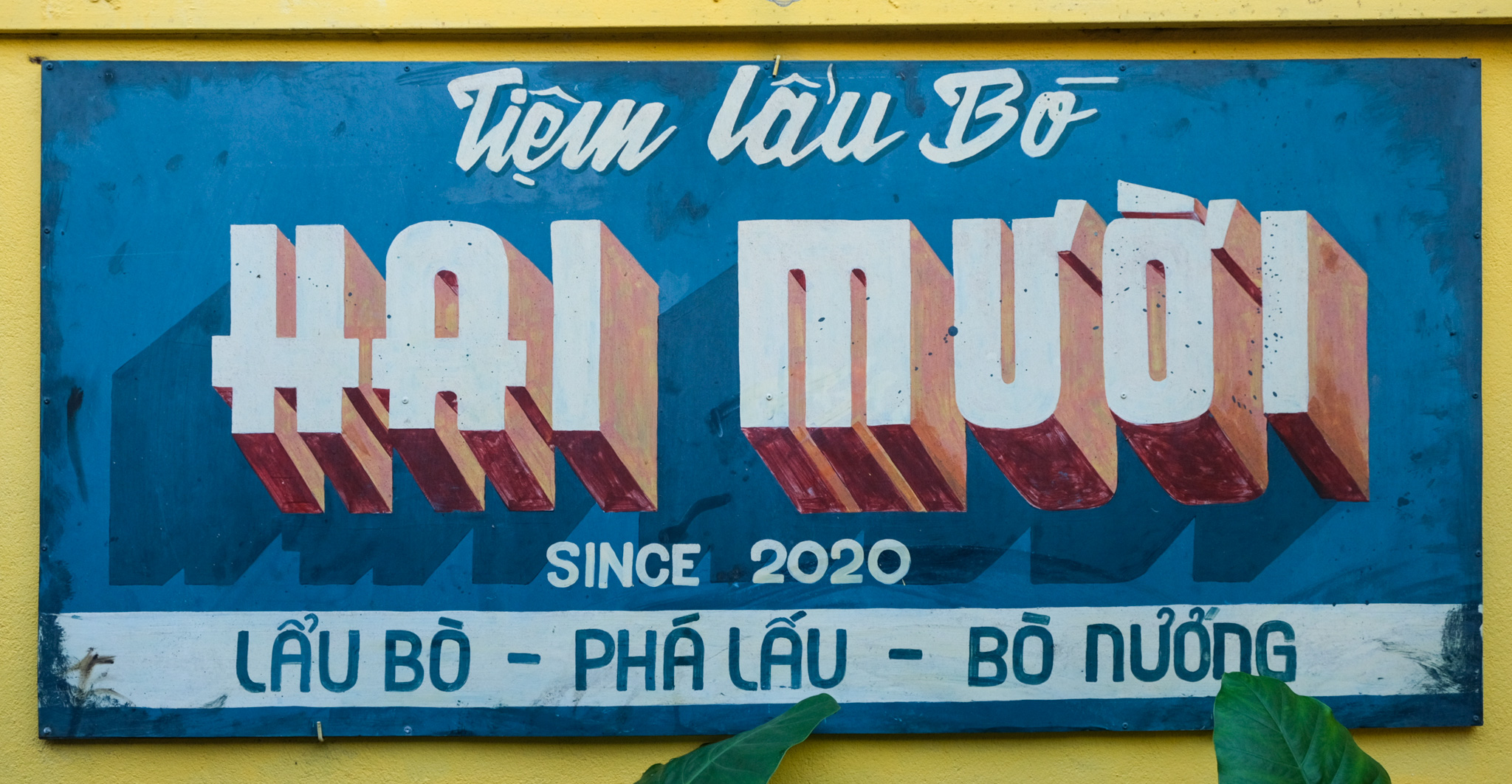
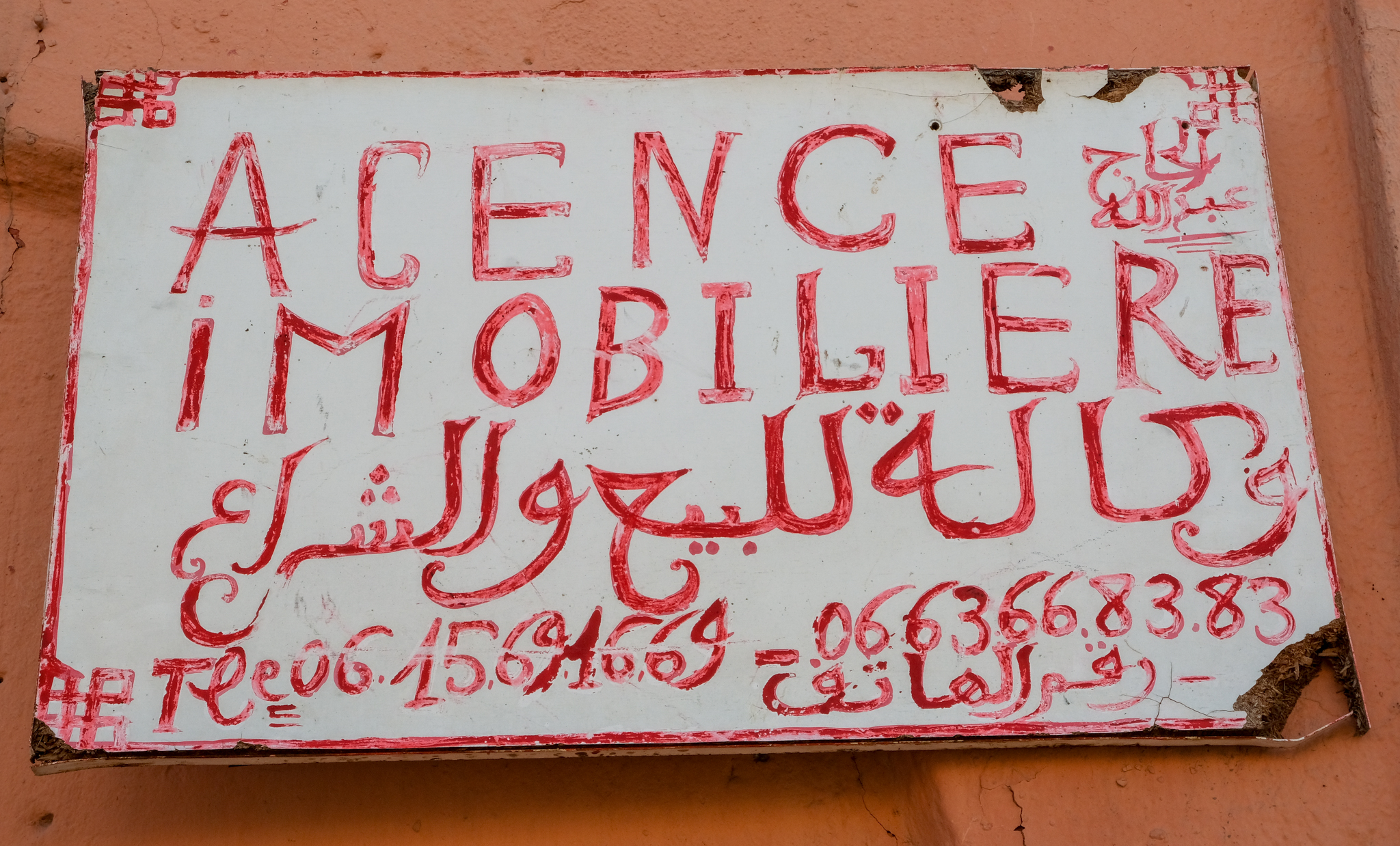
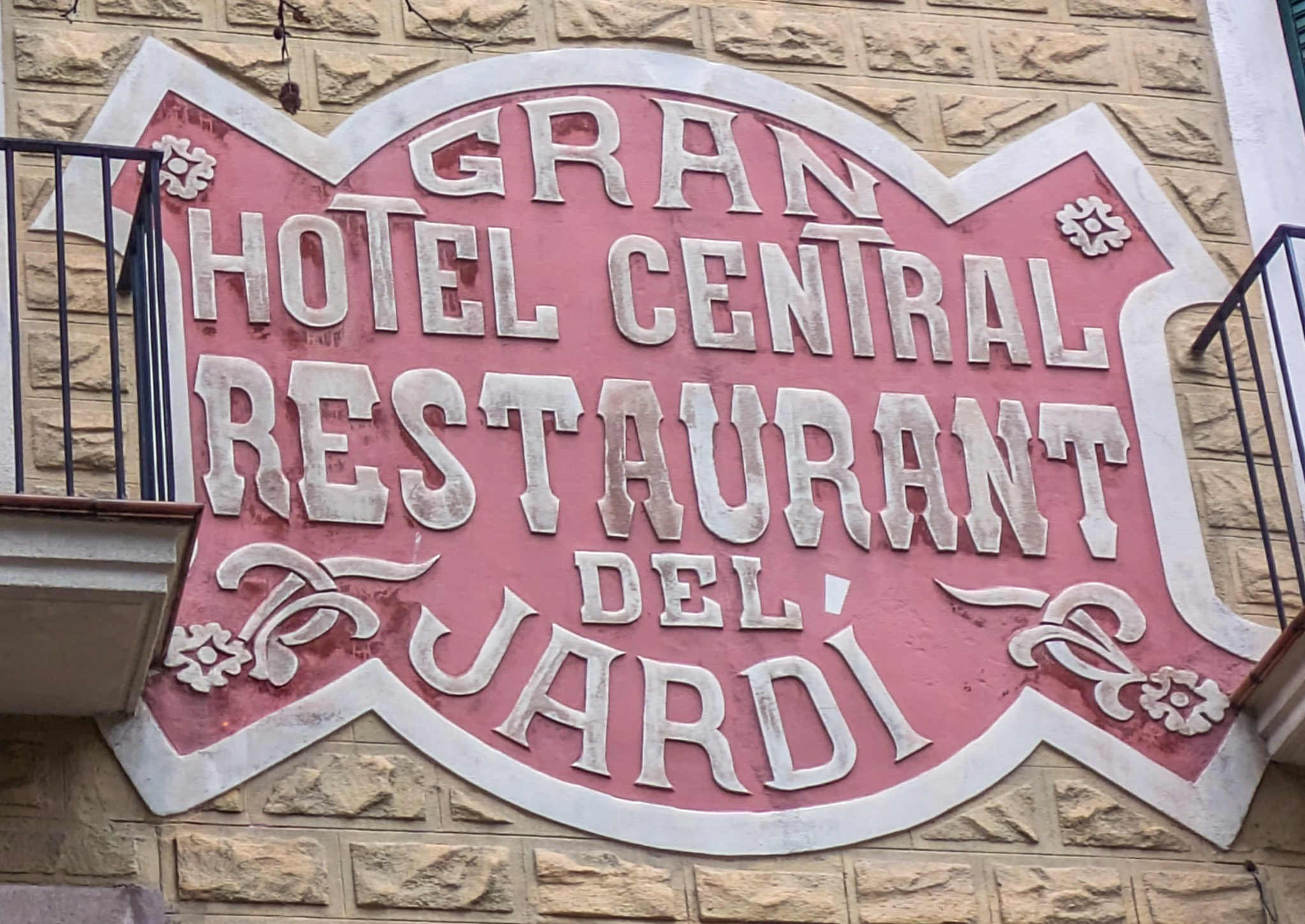
Vernacular typography is defined as the hand‑formed, hand‑crafted, or improvised letterforms that emerge from a specific place—what Kelly Ludwig calls the “local dialect or visual language of the region.” For the purposes of this project, vernacular refers to lettering that carries a human touch: signs that are painted, carved, sculpted, welded, or assembled by people rather than generated through digital technologies like vinyl and flex printing. These human‑made letterforms tend to reveal something distinctive about the culture that produced them. They show the quirks, skills, limitations, and creative decisions of the individuals who made them, and by extension the communities where they exist.
Why does vernacular type matter?
Hand‑crafted lettering stands out for its physical, idiosyncratic, and informal qualities, in contrast to the smooth homogeneity of digital type and vinyl. As Aaron Kashtan in Type Matters: The Rhetoricity of Letterforms suggests, imperfections are precisely what give vernacular typography its expressive power. Street lettering serves as a way to preserve local identity in a world where globalized branding and mass‑produced signage increasingly flatten visual culture.
Public lettering also helps create a sense of place, and shapes how we respond to the places and spaces we visit. In the documentary Sign Painters, artist Josh Luke says, “I see sign painting as a way to positively affect the visual landscape of my city.” A hand‑painted storefront doesn’t just label a business; it contributes to the visual texture of a neighborhood and reflects the lived experiences, craft traditions, and values of its community. Whether a sign is decades old or freshly painted, it tells a story about the people who created it and the place it inhabits.
View the CollectionExamples of Vernacular Type