


Walker Evans: Signs
Since the advent of street signs, artists and designers have been drawn to this unique typographic medium. In the early 1900’s as street and advertising signs were springing up across the United States, photographer Walker Evans famously documented storefronts, billboards, and hand‑painted signs, many of which appear in the book Walker Evans: Signs. This documentation of public lettering and typographic signs in the United States and Europe has a long and rich history.
The Vernacular Type Project shares this impulse to document public signs and typography, but expands the lens beyond the United States. Many countries’ public lettering and signs—especially those with rich traditions of hand‑painted or craft‑based signage—remain under‑documented online. This is due in part to an overemphasis on English as the primary global language, leading to a displacement of local design cultures and global scripts (Abdel Baki, 2023).
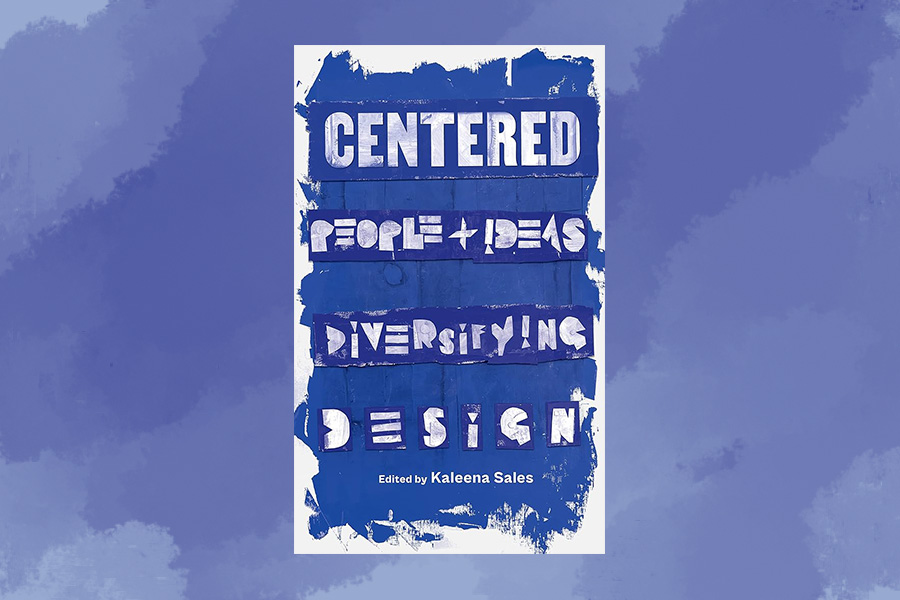
One of the purposes of this project is to serve as a resource to expand the graphic design canon beyond the United States, Western Europe, and Latin-based scripts. In the book Centered: People and Ideas Diversifying Design, editor Kaleena Sales describes the field of modern graphic design as over-relying on the 20th century modernist Bauhaus movement (characterized by clean lines, grids, asymmetrical compositions and sans serif typefaces) for its guiding principles. This over-reliance has at times resulted in a dismissal of the decorative elements and adornments featured in many visual cultures around the world. The Vernacular Type Project aims to contribute to the global graphic design canon and extend its vision beyond these clean modernist lines, elevating the lived, human design experience in cultures around the world, and thus “centering” their contributions to design.

Centered: People and Ideas Diversifying Design
I am grateful to Kaleena and the contributors to Centered, the authors of the AIGA Beyond the Bauhaus series, and contributors to The People’s Graphic Design Archive, all of which helped forge a path for this work. This project aims to highlight the work of artists, artisans, designers, and untrained creators from around the world with authenticity and intention. As Dina Benbrahim shared in her 2021 TypeWknd talk, Moroccan design, works with shape and soul, design is made of a constellation of histories, and to become better designers we must acknowledge and learn about histories beyond our own. May this project play a small part in that process.